Lusaka'sGolden Future
A landmark-led transformation of the Lusaka Showgrounds into a world-class urban district — to be delivered through a collaborative redevelopment framework with ZACS, Government, private investors, and the Zambian diaspora.
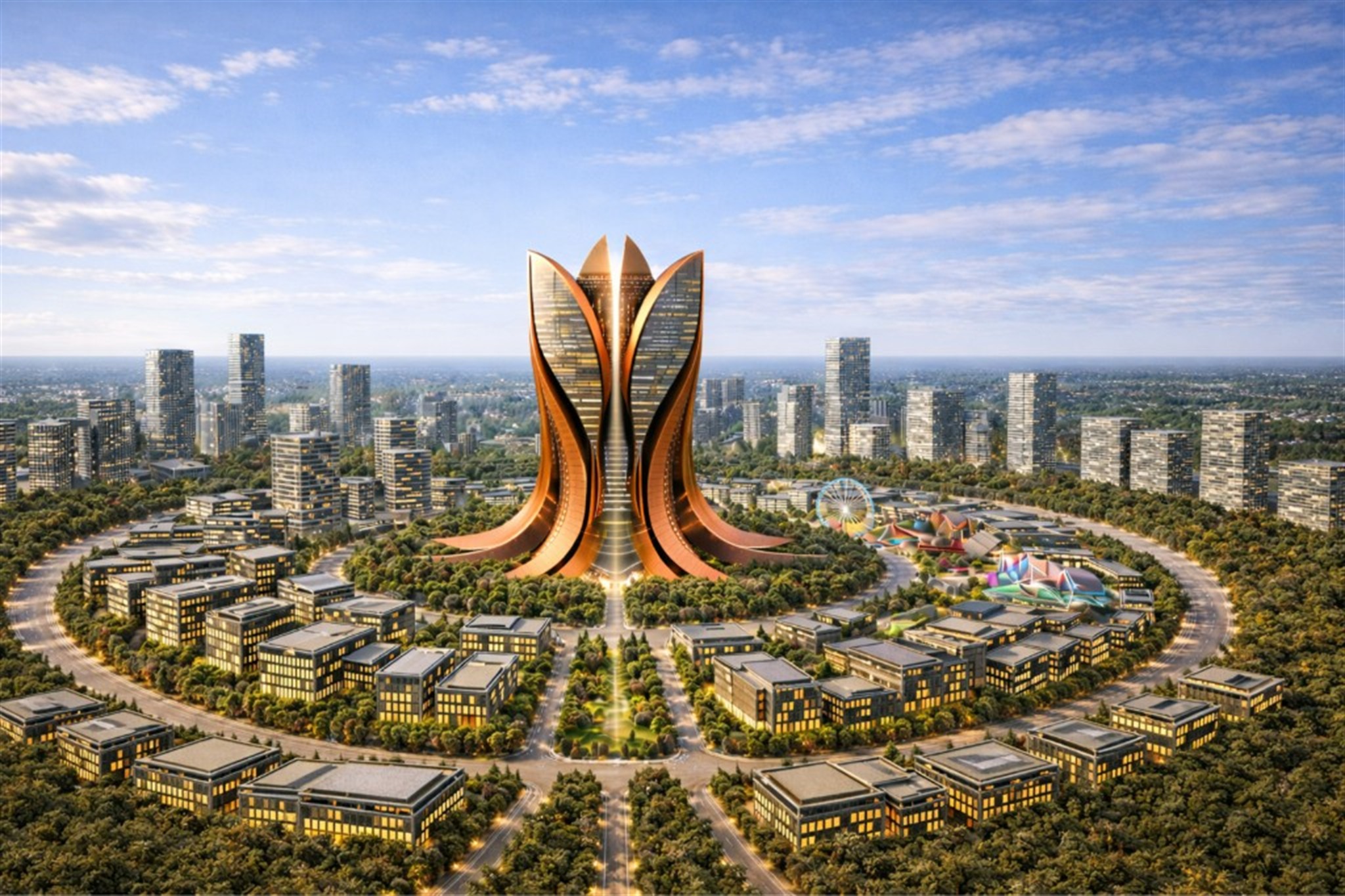
Join and support the transformation of Golden Copper City
Golden Copper City is the investable urban vision for the Lusaka Showgrounds — phased, partnership-led, and dependent on early alignment between the Zambia Agricultural and Commercial Show Society (ZACS), the Government of Zambia, private developers, and the diaspora. Joining means backing a structured programme built on stakeholder consensus, not unilateral action: your registration adds to measurable market depth that helps make the case to every institution at the table.
Structured pathways for Zambians at home and abroad to participate alongside institutional capital — subject to stakeholder alignment.
Documented scale and phasing — sovereign anchor plus ZACS, private, and citizen layers working within a collaborative redevelopment framework.
Beginning with Phase 0 stakeholder engagement before construction — de-risked sequencing designed to build confidence at every stage.
Existing infrastructure and activity — the Lusaka Showgrounds is an already-active economic zone with ZACS as the current land and legacy stakeholder.
Citizen and diaspora registrations are due diligence inputs: they demonstrate real appetite for housing, equity participation, and long-term confidence in the district — data points that complement fiscal, planning, and institutional cases. Initial efforts will focus on bringing ZACS and Government into a shared redevelopment vision before major capital deployment begins.
Life at Golden Copper City
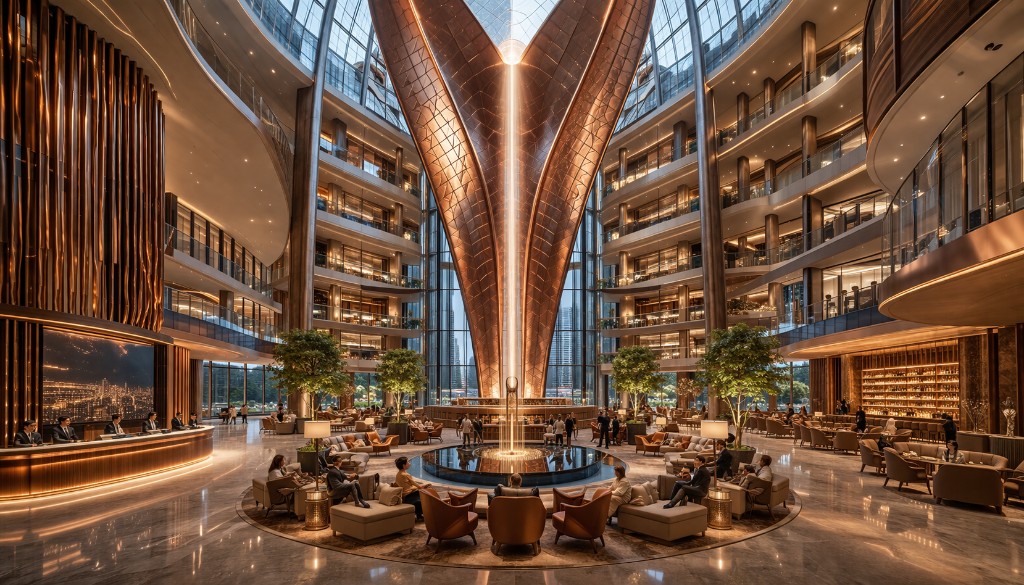
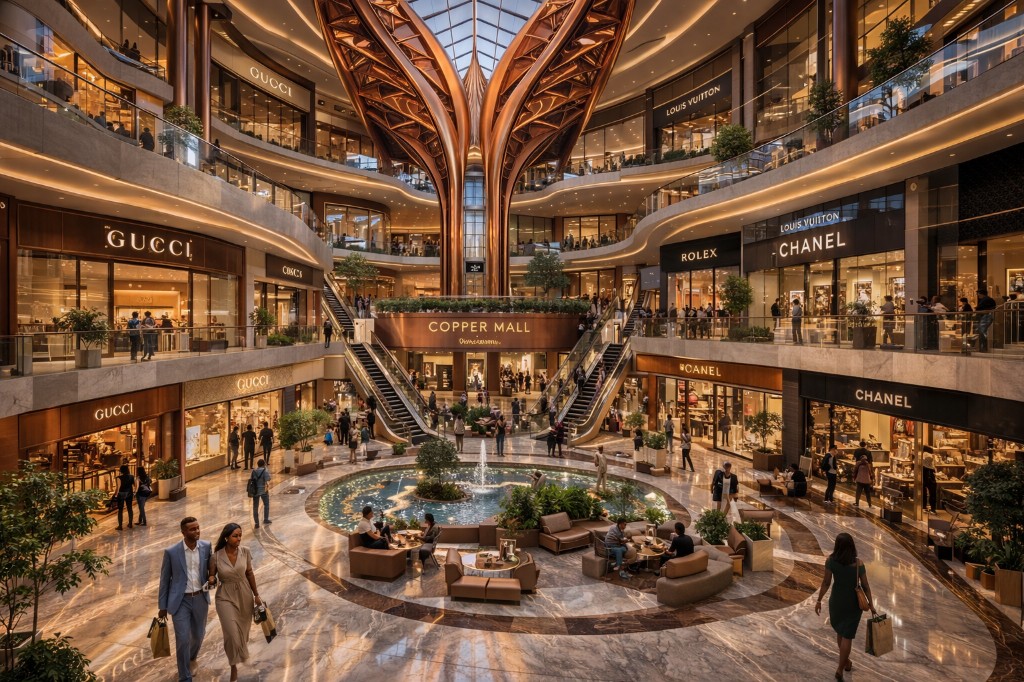
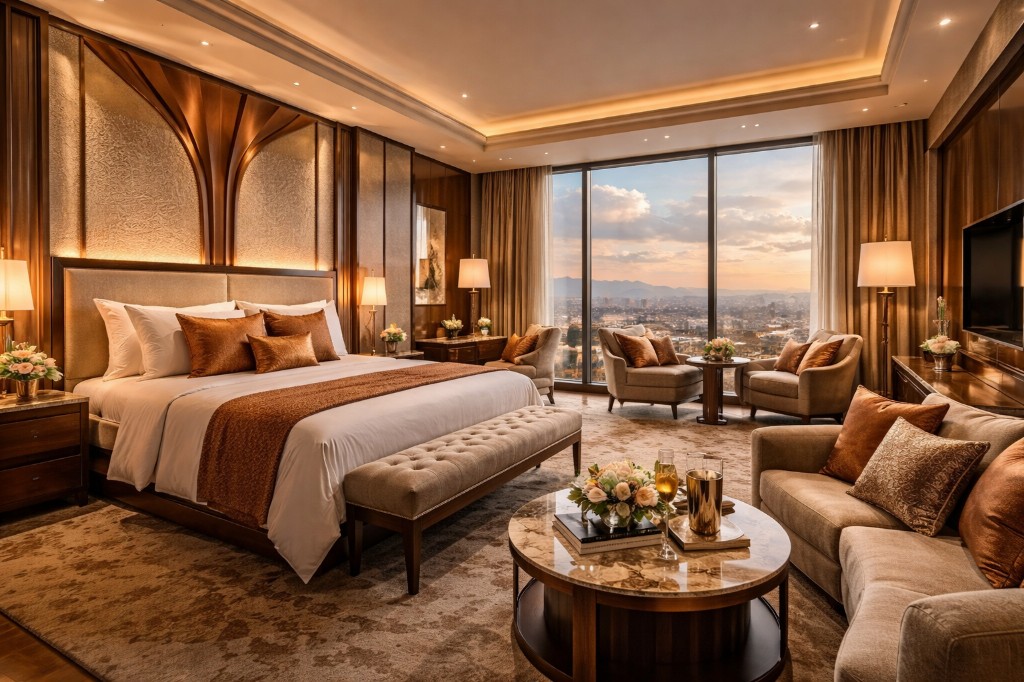
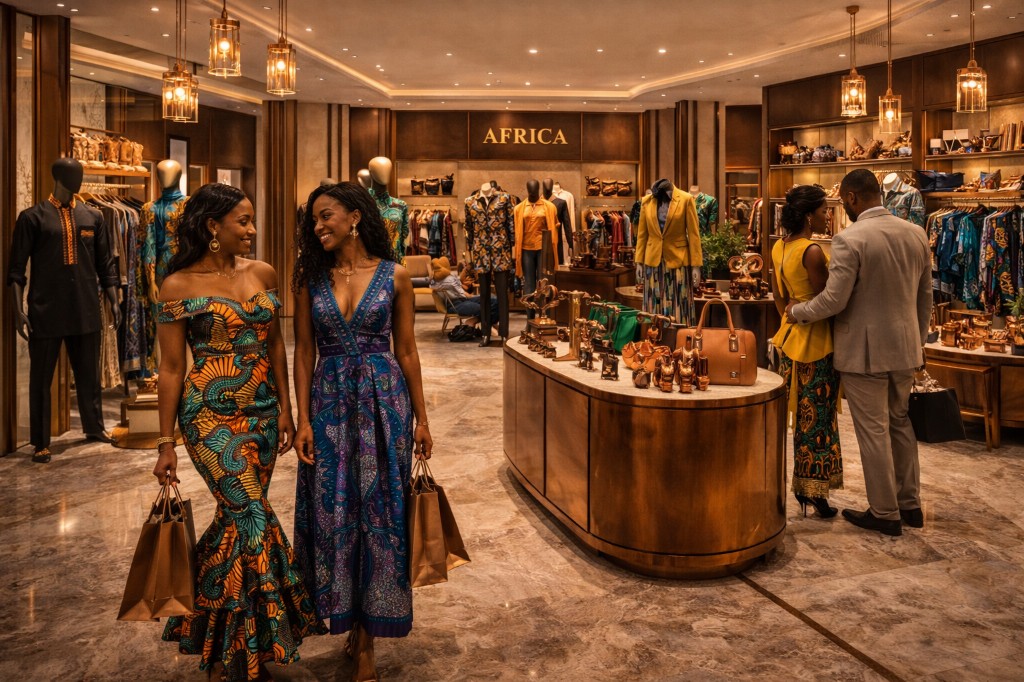
World-class experiences — from sky-high dining and luxury residences to curated retail and entertainment — all within one iconic district.
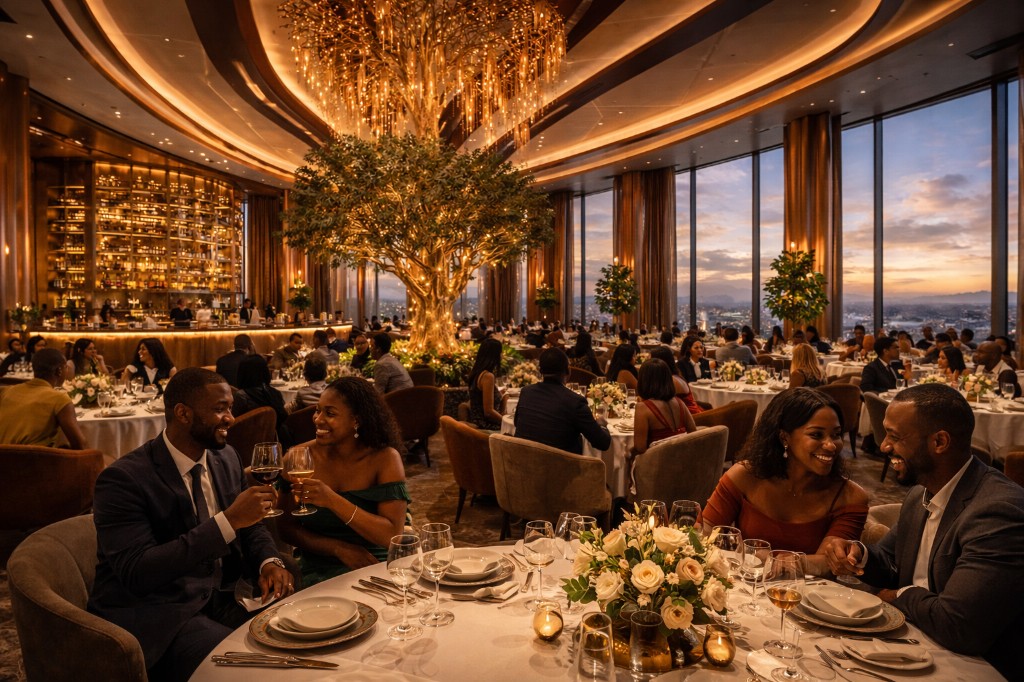
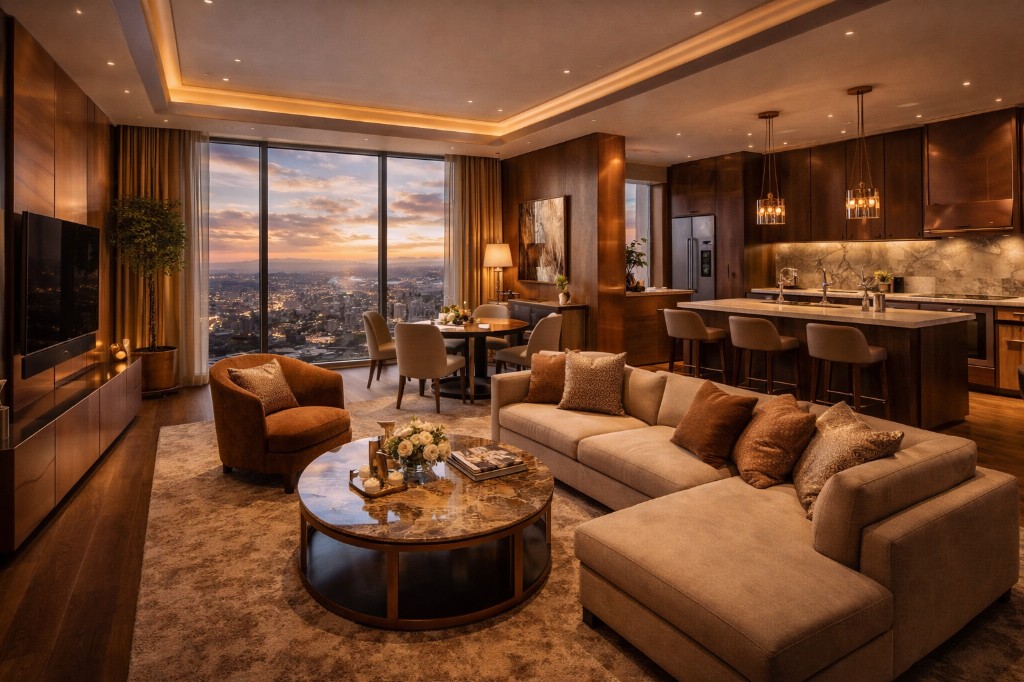
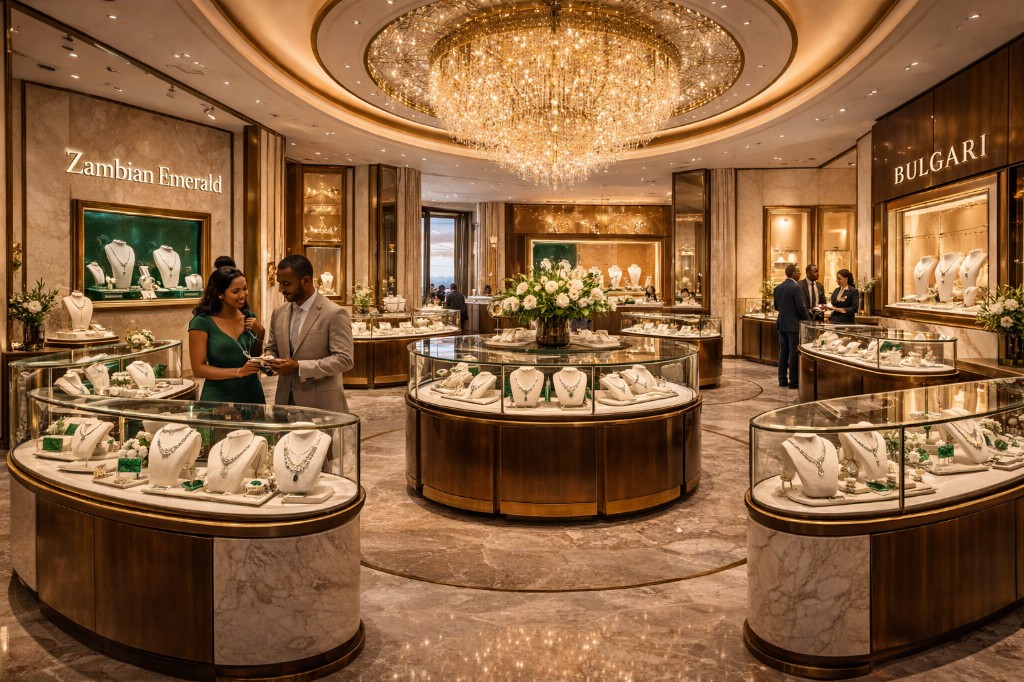
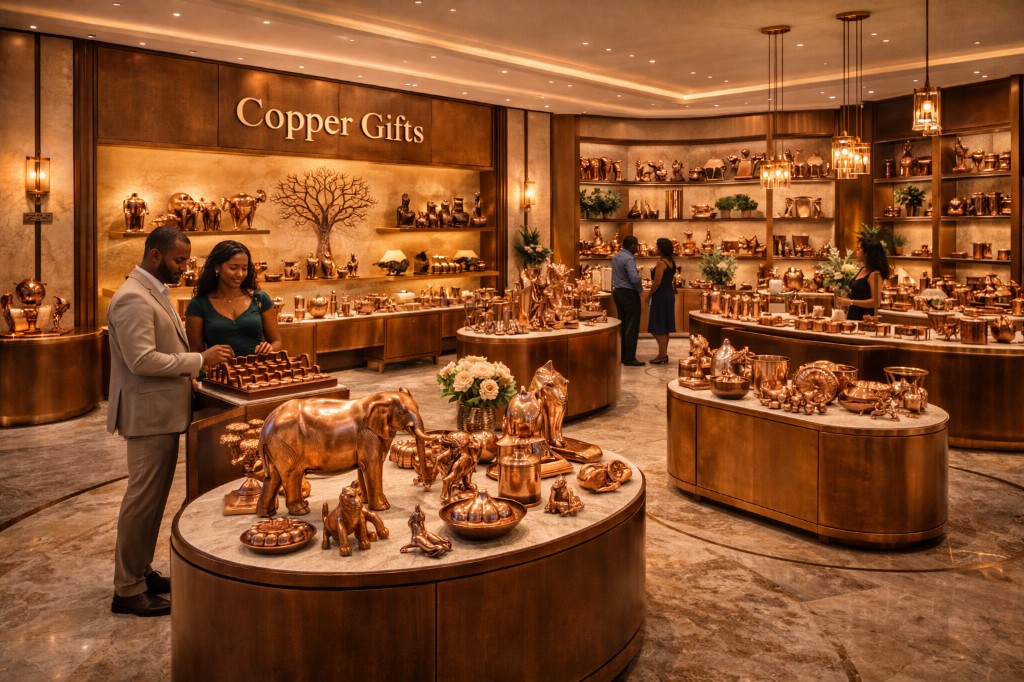
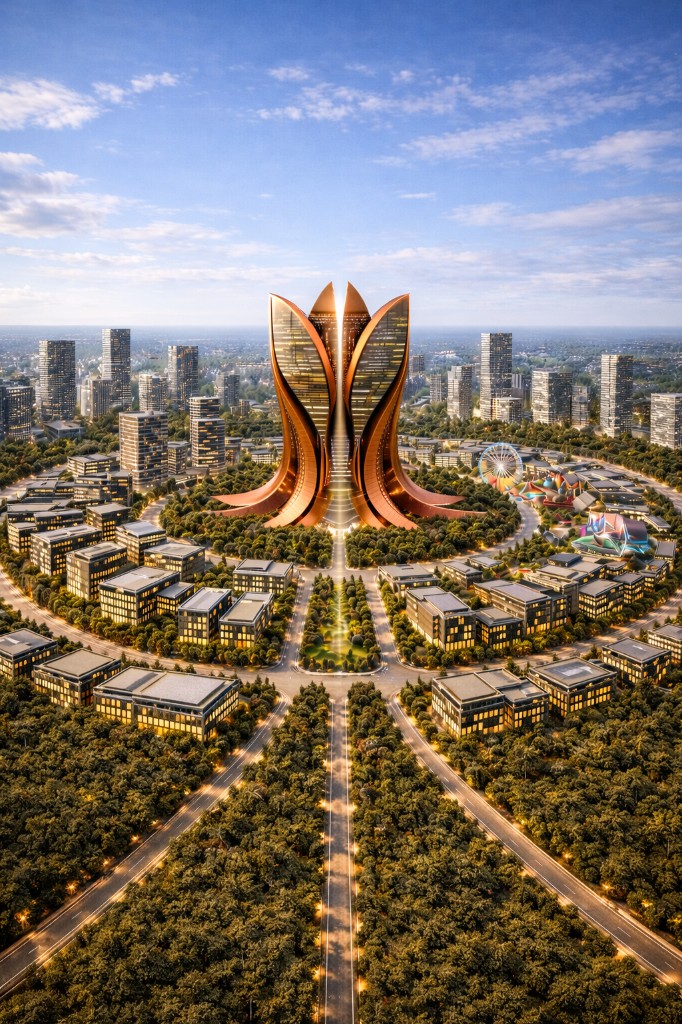
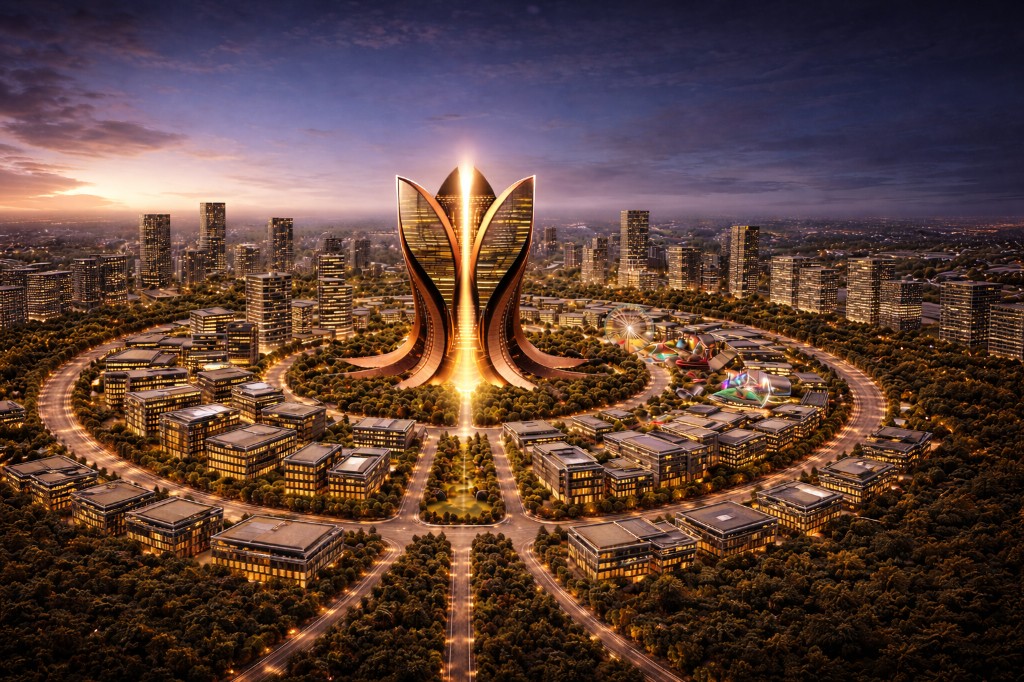
Zambia's Most Iconic Address
A copper-clad lotus rising from the heart of Lusaka — surrounded by a thriving urban district that generates returns from day one, dependent on partnership with ZACS and Government.
The Lusaka Showgrounds Redevelopment reimagines an underutilised prime location — currently stewarded by the Zambia Agricultural and Commercial Show Society (ZACS) — into Zambia's most ambitious and investable urban project. This vision is only realisable through a collaborative redevelopment framework: ZACS as the land and legacy stakeholder, Government as the sovereign anchor, private capital driving the district, and the diaspora owning a piece of home.
ZACS holds the legacy. Government anchors the landmark. Private capital drives the district. Diaspora owns a piece of home.
Built on Institutional Alignment
The success of this project depends on early, genuine alignment between five core partners. No phase of construction begins until this foundation is secure.
ZACS is the current steward of the Lusaka Showgrounds — a site with deep agricultural, cultural, and commercial heritage. Any redevelopment is dependent on partnership with ZACS, and this project is designed to honour, not erase, that legacy. ZACS engagement is the first milestone of Phase 0.
Government participation — through policy backing, planning approvals, and infrastructure investment — is essential to de-risk the project and catalyse private capital. Securing government onboarding is a Phase 0 priority alongside ZACS engagement.
Private sector investors and developers drive the urban district — bringing capital, commercial expertise, and risk appetite. Engagement begins once ZACS and Government have established a shared redevelopment understanding.
Development finance institutions, pension funds, and sovereign wealth partners provide the long-term capital layer. Their participation is contingent on the institutional foundation that ZACS and Government alignment provides.
Zambian citizens at home and abroad represent a powerful source of demand, capital, and legitimacy. Diaspora participation — through property ownership and fractional investment — builds public confidence and supplements institutional capital.
The Numbers
- Government offices
- Retail & shopping mall
- Conference & exhibition
- Luxury apartments
- Residential apartments
- Office buildings
- Hotels & mixed-use
- Regional tourism attraction
- Family entertainment
- Retail & hospitality
- Roads & transport
- Utilities: water, power
- Parks & public spaces
Built to Reduce Risk
Five phases — beginning with stakeholder engagement and institutional alignment before a single brick is laid — designed to generate early returns, de-risk exposure, and build momentum across a structured timeline.
Before design finalisation, planning approval, or capital deployment, the project must first secure institutional foundations. This phase is not optional — it is the critical enabler of everything that follows.
Open formal dialogue with the Zambia Agricultural and Commercial Show Society as the primary land and legacy stakeholder. Establish a shared redevelopment understanding.
Secure policy backing and government support. Initiate planning discussions, fast-track approval frameworks, and sovereign participation commitments.
Bring all core stakeholders — ZACS, Government, private partners, and diaspora representatives — into a shared long-term vision for the site.
Conduct land-use discussions, establish legal structures, and agree on a redevelopment framework that protects ZACS's interests while enabling full commercial development.
Conduct full feasibility studies, commercial structuring analysis, and planning assessments to validate investment assumptions before capital is committed.
Demonstrate to private and diaspora investors that the institutional foundation is secure — through transparent communication, public engagement, and documented stakeholder commitments.
- Core infrastructure
- Initial commercial buildings
- Public parks & roads
- Surrounding building growth
- Retail & office activation
- Tower construction begins
- Copper Tower complete
- Full business district live
- Premium returns begin
- Theme park development
- Tourism infrastructure
- Regional destination status
Four Pillars of Capital
Delivery of Golden Copper City is dependent on partnership across four distinct stakeholder groups. The project's governance and capital structure is designed to reflect shared ownership of the vision.
- Zambia Agricultural & Commercial Show Society
- Current steward of the Lusaka Showgrounds
- Central to any redevelopment framework
- Phase 0 engagement is the first milestone
- Funds majority of landmark tower (~90%)
- Policy support & planning approvals
- Infrastructure investment
- Onboarding subject to Phase 0 alignment
- Develop surrounding buildings
- Residential & office investment
- Hospitality ventures
- Commercial lease income
- Apartment ownership
- Fractional real estate investment
- Building-level equity participation
- Potential: $50M – $150M raised
Multiple Income Streams
Office Rental Income
Strong corporate tenant demand in Lusaka. Premium office space in the landmark tower and surrounding district commands consistent lease income from both local and international businesses.
Property Sales & Leases
Significant unmet demand for modern, high-quality housing in Lusaka. Diaspora-driven apartment purchases provide upfront capital while long-term residents generate steady rental yields.
Mall & Anchor Tenants
A purpose-built retail precinct with anchor stores and local businesses creates a continuous, diversified revenue stream resistant to single-tenant risk.
Theme Park & Events
Ticket sales, events, hospitality, and attractions draw regional visitors — establishing Lusaka as a tourism destination with year-round inflow from across Southern Africa.
When You Get Paid
Why This Works
Built to Withstand
Phase 0 exists specifically to mitigate institutional risk. No capital is deployed until ZACS, Government, and key partners have reached a shared redevelopment understanding — removing the single largest source of project risk before construction begins.
No single large capital outlay. Each phase is funded and de-risked before the next begins — limiting overexposure at any point in the timeline.
Diversified income streams across office, residential, retail, and tourism means no single sector downturn can derail the project's financial performance.
The Lusaka Showgrounds is already a known, active economic zone — meaning demand is proven, connectivity is established, and community buy-in already exists. ZACS's legacy adds further credibility and public legitimacy to the vision.
Jobs at Scale. Growth by Design.
The Lusaka Showgrounds Redevelopment is designed as an urban transformation and a long-term economic catalyst, creating jobs across planning, construction, operations, maintenance, and tourism.
High-skill employment and local capacity building.
- Urban planners
- Architects and engineers
- Surveyors
- Legal and financial consultants
- Government coordination teams
Largest employment wave with direct and indirect opportunities.
- Direct: 4,000 – 8,000 (workers, electricians, plumbers, operators, supervisors)
- Indirect: 6,000 – 12,000 (materials, logistics, supply chains, vendors)
Permanent district employment across landmark, business, and leisure assets.
- Central Landmark: 2,000 – 4,000 jobs
- Surrounding Buildings: 5,000 – 10,000 jobs
- Lifestyle & entertainment zone: 1,000 – 2,500 jobs
Sustained technical and public-realm employment.
- Infrastructure maintenance
- Landscaping and public-space management
- Utilities and facility services
Regional destination growth unlocks service-sector expansion.
- Direct: 2,000 – 5,000 (hotels, restaurants, events, tour operations)
- Indirect: 5,000 – 10,000 (transport, markets, local supply chains)
- Large-scale job creation across skill levels
- Growth of local industries in construction, materials, and logistics
- Increased household income and broader economic activity
- Development of a sustainable urban economy
- Long-term tourism and service-sector expansion
"The Lusaka Showgrounds Redevelopment is projected to create over 25,000 jobs across its development phases, with long-term employment exceeding 50,000 through operational activity and tourism growth — making it one of the most impactful urban economic initiatives in Zambia."
For Every Zambian
Whether you are in Lusaka or London, Johannesburg or Chicago — this is your opportunity to invest in the country you call home.
Lusaka. Transformed.
"This is not a speculative megacity. It is a partnership-led, phased transformation of an already active economic zone — dependent on ZACS, Government, private capital, and the diaspora working together. When that coalition is assembled, the returns — and the legacy — speak for themselves."